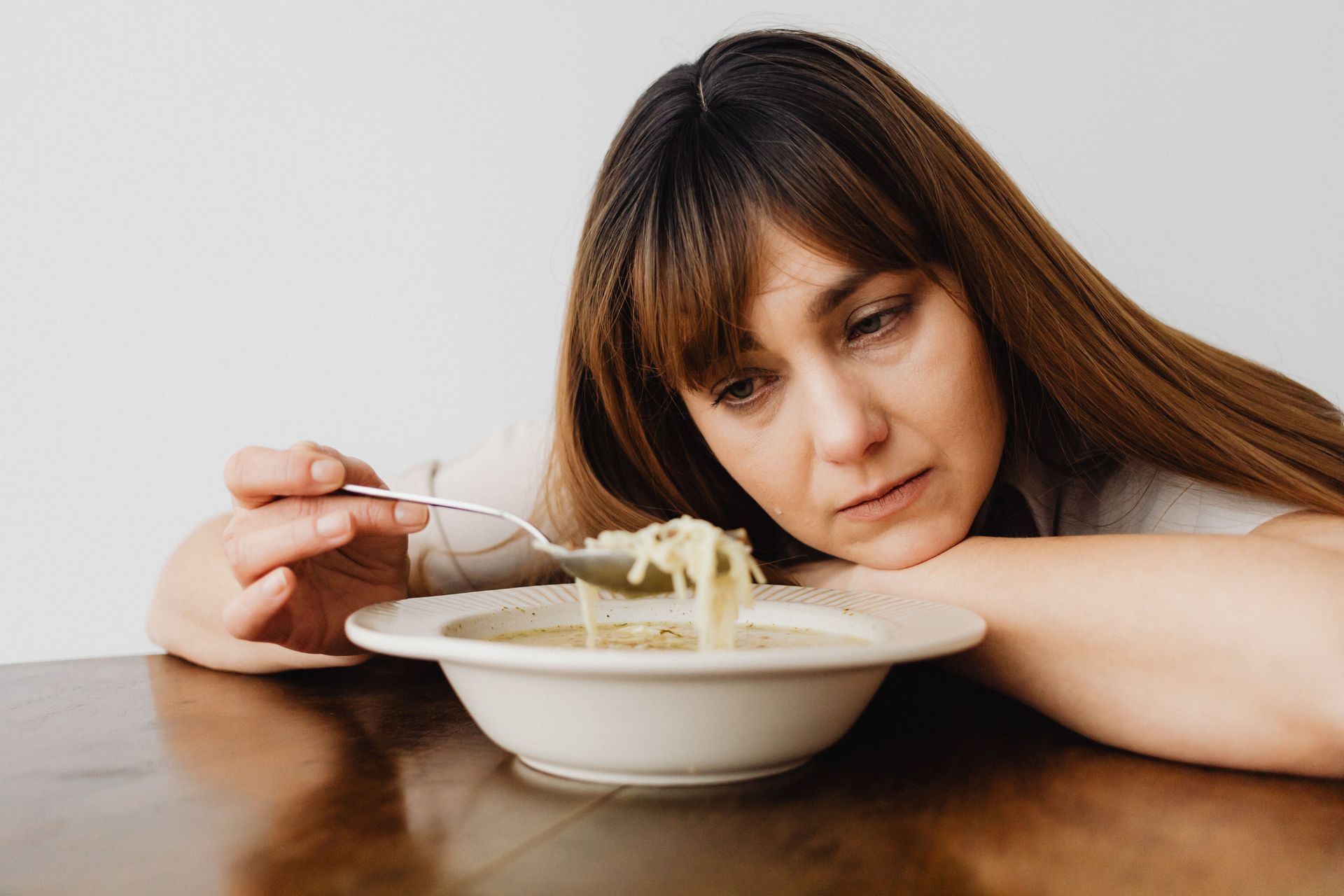
If you are a mom in Denver and the postpartum period feels heavier than expected, you are not alone. Many moms experience emotional changes after birth that go beyond exhaustion or adjustment, yet struggle to identify what is happening or where to turn for help.
Postpartum depression is common and treatable. Healing begins with understanding what you are experiencing and finding support that fits your needs, your values, and your stage of motherhood.
Before continuing, it may help to know who is guiding this conversation.
I am Stephanie Poole, founder of Sitting in Sisterhood. I support moms in Denver and beyond through pregnancy, postpartum adjustment, and maternal mental health using a holistic and clinically grounded therapeutic approach. You can learn more about this philosophy at holistic therapy for moms in Denver. If you are seeking focused care, explore postpartum depression therapy.
Understanding postpartum depression
Postpartum depression is a medical mood condition that can develop after childbirth. It affects emotional regulation, energy levels, thought patterns, and your sense of connection to yourself, your baby, and daily life. Postpartum depression is often referred to as PPD.
Signs and symptoms
Common postpartum depression symptoms include persistent sadness, anxiety, irritability, emotional numbness, sleep disruption beyond newborn care, difficulty concentrating, and feeling overwhelmed or disconnected. These symptoms are present most days and do not resolve on their own.
Difference between baby blues and postpartum depression
Many moms ask about the difference between baby blues and PPD. Baby blues are common in the first days after birth and are largely driven by hormonal shifts and exhaustion. They usually ease within two weeks.
PPD lasts longer and has a deeper impact on emotional stability and functioning. Symptoms may not appear for weeks or months after delivery, making them harder to recognize.
PPD develops through a combination of hormonal changes, sleep deprivation, physical recovery, identity shifts, stress, and limited support. These factors accumulate over time and strain emotional regulation.
Treatment options for postpartum depression
Postpartum depression treatment supports emotional balance, nervous system recovery, and a return to stability.
Therapy and counseling
Therapy is one of the most effective treatments for PPD. Cognitive Behavioral Therapy, talk therapy, interpersonal therapy, and group therapy provide supportive spaces to process emotions safely.
Therapy helps moms regulate anxiety and low mood, make sense of intrusive thoughts, and navigate identity and relationship changes common in early parenthood. Finding a therapist in Denver who understands postpartum mental health can make a meaningful difference.
Medication
Medication can be an important part of treatment when symptoms are moderate to severe or significantly interfering with daily life.
If you are considering medication, the decision is made with you and your baby in mind. Many antidepressants are commonly used postpartum and are considered compatible with breastfeeding. Conversations center on your mental health needs, your comfort level, your feeding choices, and your baby’s well-being.
Some moms find medication provides enough stability to engage fully in therapy, sleep, and daily routines. Others prefer non-medication approaches. What matters is an informed, collaborative decision.
Combination treatment
For many moms, combining therapy and medication provides the most effective support. Therapy addresses emotional patterns and stress, while medication can reduce symptom intensity and restore baseline functioning.