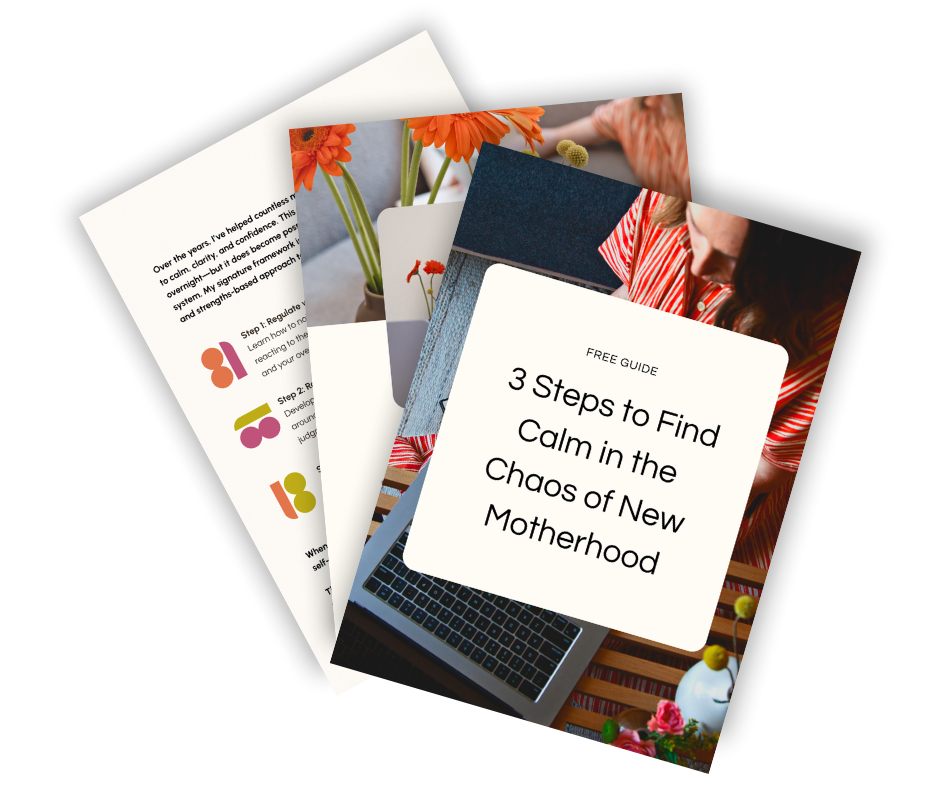
Becoming a mom changes everything, including your emotional world. Joy, exhaustion, fear, love, and overwhelm can exist all at once. Yet maternal mental health is still often overlooked in the rush to focus on baby milestones.
This guide is here to help you learn what support exists, connect with trustworthy resources, and take small steps toward feeling more supported. You do not need to be in crisis to deserve care.
Before continuing, it may help to know who is guiding this conversation.
I am Stephanie Poole, founder of Sitting in Sisterhood. I work with moms navigating pregnancy, postpartum adjustment, and maternal mental health, using a holistic and clinically grounded therapeutic approach that centers emotional regulation, identity shifts, and nervous system recovery.
If you would like to understand the philosophy behind this work, you can explore holistic therapy for moms in Denver. If you are currently seeking more focused emotional support, you can also learn more about postpartum depression therapy and how care can support healing.
Why maternal mental health deserves more attention
Around
one in five women experiences a maternal mental health challenge, including depression, anxiety, or burnout, during pregnancy or the postpartum period. Despite how common this is, emotional health is often sidelined once the baby arrives.
Many moms feel pressure to cope quietly or assume their struggles are just part of motherhood. The reality is that emotional wellbeing matters just as much as physical recovery.
Accessing help early, even in small ways, can change the course of recovery. Support reduces isolation, prevents emotional exhaustion from deepening, and helps moms feel more grounded and connected.
Understanding what maternal mental health includes
Beyond postpartum depression
Maternal mental health includes a wide range of experiences. It can involve anxiety, rage, intrusive thoughts, emotional numbness, chronic overwhelm, or feeling unlike yourself. These experiences do not look the same for every mom.
Some moms function outwardly while struggling internally. Others feel physically depleted or emotionally disconnected. All of these experiences are valid and worthy of support.
Why early support matters
Early support can prevent isolation and deep emotional fatigue. Small interventions, like talking to someone who understands or joining a support group, often lead to faster recovery and stronger emotional resilience.
You do not need to wait until things feel unbearable to reach out.
National resources for maternal mental health
The following organizations offer evidence based, U.S. focused support for moms and families.
Postpartum Support International (PSI)
Postpartum Support International provides one of the most comprehensive support networks for maternal mental health.
They offer a 24 hour HelpLine at 1 800 944 4773, free virtual support groups for moms and partners, and a nationwide directory of therapists certified in perinatal mental health.
988 Suicide and Crisis Lifeline
The 988 Lifeline provides immediate support for emotional distress or intrusive thoughts. You can call or text 988 at any time for confidential support.
The Blue Dot Project
The Blue Dot Project focuses on maternal mental health awareness, especially during Maternal Mental Health Month in May. They offer printable resources, educational videos, and personal stories of recovery.