How long can postpartum depression last, and how to cope with it
When you thought it would get better, but it still feels heavy
It has been months since you gave birth. The nights are a little easier, your baby smiles back at you, and routines have begun to take shape. But in quiet moments, a question keeps echoing in your mind: Why do I still feel like this?
You love your baby deeply, but the heaviness won’t lift. You look at other mothers who seem to have adjusted, and part of you wonders if you are the only one still struggling. That silent comparison adds another layer of guilt, a feeling that you should be over it by now.
The truth is, postpartum depression can last longer than most people realize. It doesn’t always end when your baby starts sleeping through the night or when you return to work. Understanding why it lingers is the first step toward real healing.
In case you are new here, I’m Stephanie Poole, the therapist behind Sitting in Sisterhood, a nurturing space offering holistic therapy for moms. Through this work, I guide mothers through the fog of exhaustion, anxiety, and self-doubt, helping them rediscover their strength and reconnect with themselves. If you’re beginning to see parts of your story in these signs, ourpostpartum depression therapy can help you find steadiness, clarity, and a sense of calm again.
Understanding postpartum depression and why it can last longer than expected
Postpartum depression is more than sadness after birth. It is a complex condition influenced by hormonal changes, emotional load, lack of rest, and the deep identity shift that motherhood brings.
Unlike the baby blues, which usually resolve within two weeks, postpartum depression can persist for months if untreated. It often begins quietly, disguised as fatigue, irritability, or loss of joy, and deepens over time when mothers push themselves to keep going without support.
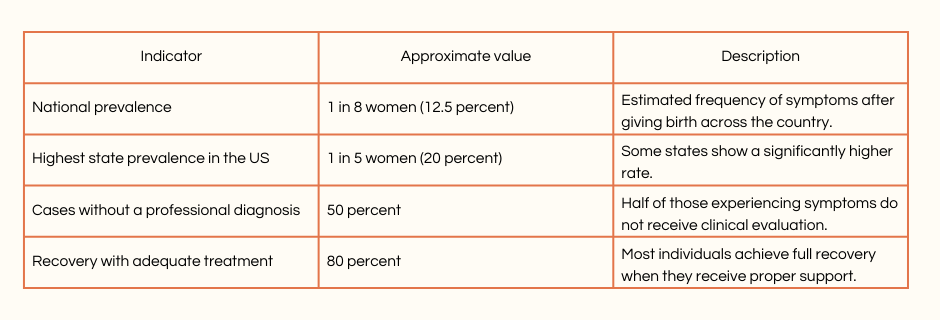
It is estimated that nearly half of mothers experiencing postpartum depression are never formally diagnosed by a health professional. That means many women continue to live with emotional exhaustion and disconnection, believing it’s just part of motherhood.
This is not weakness or lack of gratitude. It is your body and mind calling for care. Healing from it is not only about time passing; it’s about being seen, supported, and helped back to balance.
At Sitting in Sisterhood, therapy is not about fixing you; it’s about helping you rebuild connection with your body, your emotions, and your truth. Motherhood can be a place of healing, not pressure.
How do you know if you have postpartum depression?
If you are unsure whether what you are feeling goes beyond normal exhaustion, you might notice persistent sadness, disconnection, or anxiety that doesn’t fade with rest. You may feel detached from yourself or struggle to feel joy, even when things seem fine on the outside.
If you want to explore these signs in depth, read my article After birth depression symptoms and the signs that tell you it’s time for postpartum help for a detailed look at what postpartum depression can look like day to day.

How long can postpartum depression last
Many mothers ask, how long can postpartum depression last? The honest answer is: it depends. For some, symptoms last a few months. For others, they may persist for a year or more, especially when emotional or physical needs go unaddressed. Below are
key facts that help illustrate the scope and impact of postpartum depression:

Typical recovery when supported early
When postpartum depression is recognized early and treated with therapy and compassionate support, many women begin to feel improvement within a few months. The key is not waiting for the symptoms to go away on their own.
Therapy offers a safe space to untangle the emotional load, process identity changes, and learn tools that regulate your nervous system. Early help can turn recovery into a gentle climb instead of a long uphill battle.
Reaching out for postpartum depression therapy is not a sign of failure. It is an act of strength and self-care, a decision to give yourself the same attention you give to everyone else.
When symptoms linger without support
When postpartum depression goes unaddressed, your body and brain stay locked in protection mode. Even if life looks normal on the outside, you may feel constantly tired, disconnected, or unable to experience joy.
If you notice that months have passed and you still feel numb, irritable, or emotionally distant, it’s a sign your system needs care. Healing is still possible, even if you’ve carried this weight for a long time.
Why recovery looks different for every mother
No two journeys are the same. The length and depth of postpartum depression depend on many factors: your hormonal balance, your support network, your rest, and even your personal history.
Healing isn’t linear. Some mothers begin to feel better and then experience waves of sadness again. Others recover slowly but steadily. Comparison only adds pressure to a process that thrives on patience.
Emotional pressure and hidden guilt
One of the main reasons recovery takes longer is guilt. The belief that you should be happy, that you should love every moment, keeps many mothers from asking for help. Perfectionism adds another layer of pressure, turning healing into another task on the to-do list.
Gentle self-talk changes everything.
Replace: What is wrong with me?
With: What do I need right now?
When you shift from judgment to curiosity, your healing accelerates naturally.
The invisible load of modern motherhood
Motherhood today is often overstimulating. Constant multitasking, social comparison, and the expectation to bounce back physically and emotionally keep many women in a state of survival.
The nervous system cannot heal when it is always on alert. Slowing down, setting boundaries, and asking for help are not luxuries; they are part of recovery.
At Sitting in Sisterhood, therapy helps mothers unload that invisible weight. You learn to rest, regulate, and rebuild strength from the inside out.

Recognizing lingering symptoms months or years later
These are signs that postpartum depression might still be affecting you, even a year or more after birth. For some women, these feelings return when new stress arises or when the busyness of early motherhood quiets down and there is finally space to feel again.
If you’ve told yourself, It’s been too long; I should be fine by now, know this: healing does not have an expiration date. Whether your child is six months or six years old, you still deserve support.
You can begin therapy today and see how much lighter life can feel when you are no longer carrying it alone.
How to cope and begin feeling like yourself again
Coping with postpartum depression isn’t about forcing positivity or pretending everything is fine. It’s about rebuilding connection with your body, your emotions, and the world around you. Healing takes time, but it also takes action that honors your pace and your truth.
Seek professional and holistic support
Therapy is one of the most effective ways to recover. It offers a structured, compassionate space to process emotions, rebuild confidence, and learn strategies for calming the body and mind.
At Sitting in Sisterhood, postpartum depression therapy integrates evidence-based practices with holistic tools such as mindfulness, breathwork, and somatic awareness. It’s not about quick fixes; it’s about rebuilding your foundation so that peace feels sustainable.
Allow space for emotions and rest
Rest is not laziness; it is medicine. Healing begins when you stop running from how you feel and start allowing yourself to pause. Give yourself permission to feel sad, angry, or tired without judgment. Your emotions are not enemies; they are signals pointing to what needs care.
Reconnect with your body
Your body has carried and created life. It deserves gentleness. Try small, daily rituals that ground you: slow walks, stretching, mindful breathing, or simply placing a hand on your heart for a few deep breaths. The goal is not fitness or productivity; it’s safety and self-trust.
Lean on your support circle
You are not meant to do this alone. Reach out to friends, family, or community members who listen without judgment. Sharing your truth can ease the load more than you imagine. Connection is one of the strongest antidotes to depression.
Speak kindly to yourself
Your inner dialogue shapes your recovery. When you shift from criticism to compassion, healing begins to flow. Every time you feel that old voice whispering I should be stronger, remind yourself that you are already doing something brave, you are healing.
When the weight feels endless, light still exists
Even when the sadness feels permanent, it is not forever. Healing may take longer than you hoped, but it is always possible.
You are not broken; you are in transition. With the right care, the fog lifts, the body softens, and joy begins to return, slowly and steadily.
If you have been wondering how long this heaviness will last, know that it does not have to continue. You can begin healing with guidance that honors your rhythm and your story.
Explore postpartum depression therapy and take your first step toward feeling grounded, balanced, and connected again.
Healing isn’t about going back to who you were. It’s about becoming who you are meant to be now, whole, resilient, and deeply alive.

Hello! I’m Stephanie Poole
Licensed clinical social worker and board-certified health and wellness coach.
I support overwhelmed moms in reconnecting to their inner strengths and healing emotional struggles that arise in the postpartum period.