Depression after miscarriage: how to cope, heal, and find support
After a miscarriage, you may notice changes that are difficult to explain to others. Emotional pain can continue even after your body has recovered. Concentration may feel harder. Motivation may drop. A sense of distance from daily life can slowly appear, even if nothing around you seems to justify it.
Depression after miscarriage often develops quietly. It does not always arrive as constant sadness. For many women, it shows up as anxiety, panic, loss of confidence, or a feeling that something essential inside has been altered. You may still function, care for others, and meet expectations while feeling internally depleted or disconnected from yourself.
If you are new here, I am Stephanie Poole, founder of Sitting in Sisterhood, and I support women through a holistic, clinically grounded therapeutic approach. If you want to understand who we are and what guides our work, you can explore holistic therapy for moms in Denver. If this topic feels particularly close to you, you can also learn more about our work in postpartum depression therapy.
Understanding depression after miscarriage
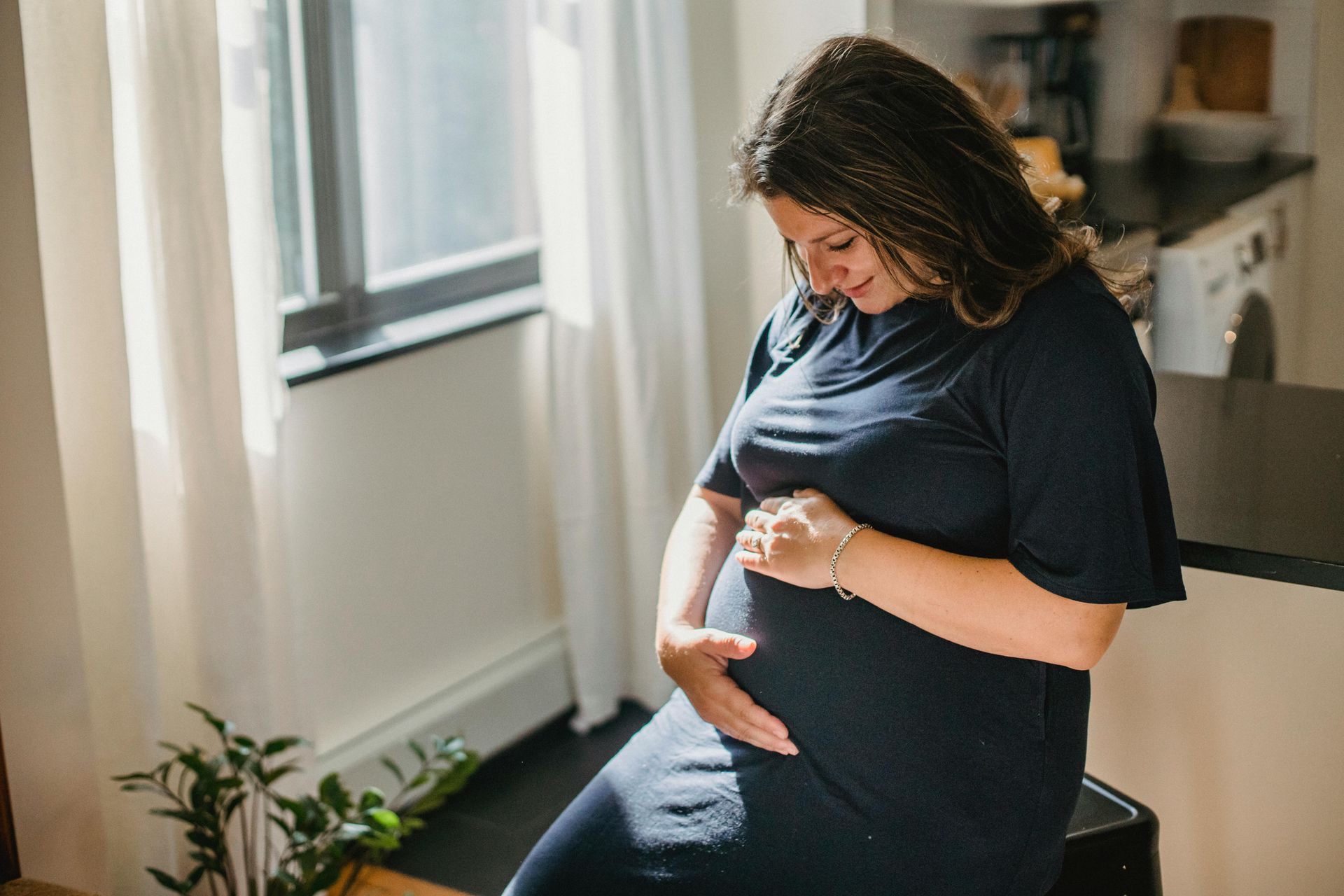
A miscarriage is often treated as a brief medical event. Emotionally, it is rarely brief. What you experience afterward is shaped by grief, hormonal changes, physical recovery, and the sudden interruption of an imagined future.
Research shows that pregnancy loss is associated with a significantly increased risk of depression and anxiety, even months or years later. This risk exists regardless of whether you have experienced mental health difficulties before.
Depression after miscarriage does not always begin after the first loss. For some women, emotional distress intensifies after subsequent miscarriages, or after a later pregnancy, when earlier losses resurface in unexpected ways.
Why is emotional distress common after a miscarriage?
Your body goes through rapid physiological changes after a pregnancy loss. At the same time, the emotional meaning of what happened is often underestimated or minimized. You may feel pressure to feel grateful, relieved, or ready to move on.
Many women describe feeling betrayed by their bodies, confused by their reactions, or unprepared for how deeply the loss would affect their sense of self. When these experiences are not acknowledged, distress can deepen rather than resolve.
Distinguishing grief from depressive symptoms
You may find yourself questioning whether what you are experiencing is grief, depression, or something else entirely. This uncertainty is common and understandable.
Grief after miscarriage is often centered on what was lost. You may feel yearning, sadness, or pain linked to memories, expectations, or imagined futures. Even in deep grief, many women notice that their sense of identity remains largely intact, even if shaken.
Depressive symptoms tend to affect how you experience yourself. You may notice a loss of confidence, a persistent sense of emptiness, or the feeling that you are no longer capable or trustworthy. Thoughts may become self-critical or pessimistic, focusing less on the loss itself and more on perceived personal failure or inadequacy.
For many women, grief and depression overlap. Sleep disruption, appetite changes, rumination, panic, and intense sadness can be present in both. Time alone does not reliably distinguish one from the other. What matters most is how these symptoms affect your functioning, your relationships, and your relationship with yourself.
Is depression after miscarriage the same as postpartum depression?
Although both experiences involve deep emotional pain, depression after miscarriage and postpartum depression are not the same, yet they can share overlapping symptoms.
Postpartum depression typically occurs after a live birth, when hormonal, physical, and emotional changes combine with the challenges of early motherhood. It often involves feelings of sadness, anxiety, or disconnection from the baby or one’s identity as a mother.
Depression after miscarriage, on the other hand, arises after the loss of a pregnancy. It is shaped not only by hormonal shifts, but also by grief and the abrupt end of a future that was imagined but never lived. Many women describe feeling as though they’re mourning both the baby and the version of themselves that existed before the loss.
These experiences can coexist. A woman who has experienced a miscarriage may later develop postpartum depression after a subsequent birth. For others, the emotional residue of pregnancy loss may resurface months or even years later.
How depression can develop over multiple losses
Some women cope relatively well after an initial miscarriage and are surprised when later losses affect them much more deeply. This pattern is common.
Women have described feeling that with each subsequent miscarriage, something additional was lost. Not only pregnancies, but also confidence, trust in the body, and belief in their ability to cope. For some, medical complications during miscarriage, such as surgery, infections, or emergency care, also contribute to trauma responses, including panic attacks, flashbacks, and avoidance of medical settings.
Depression after miscarriage may include anxiety around doctors or hospitals, difficulty returning to work, changes in eating behaviors, or self-harming behaviors that feel confusing or shameful. These responses are not uncommon and often reflect attempts to manage overwhelming emotional states rather than conscious self-punishment.
Many women describe realizing much later how significantly their mental health had been affected. It is not unusual for distress to persist quietly for years before being recognized or supported.
Emotional and physical signs to look for
Depression after miscarriage can affect emotional, cognitive, and physical systems. These signs often develop gradually.
Emotional symptoms
You may notice persistent sadness, anxiety, panic attacks, emotional withdrawal, irritability, or a loss of confidence. Feelings of guilt and sadness after a miscarriage can become repetitive, intrusive thoughts that are difficult to interrupt.
Some women describe feeling as though they lost a part of themselves along with the pregnancy, or that their self-esteem has fundamentally changed.
Physical symptoms
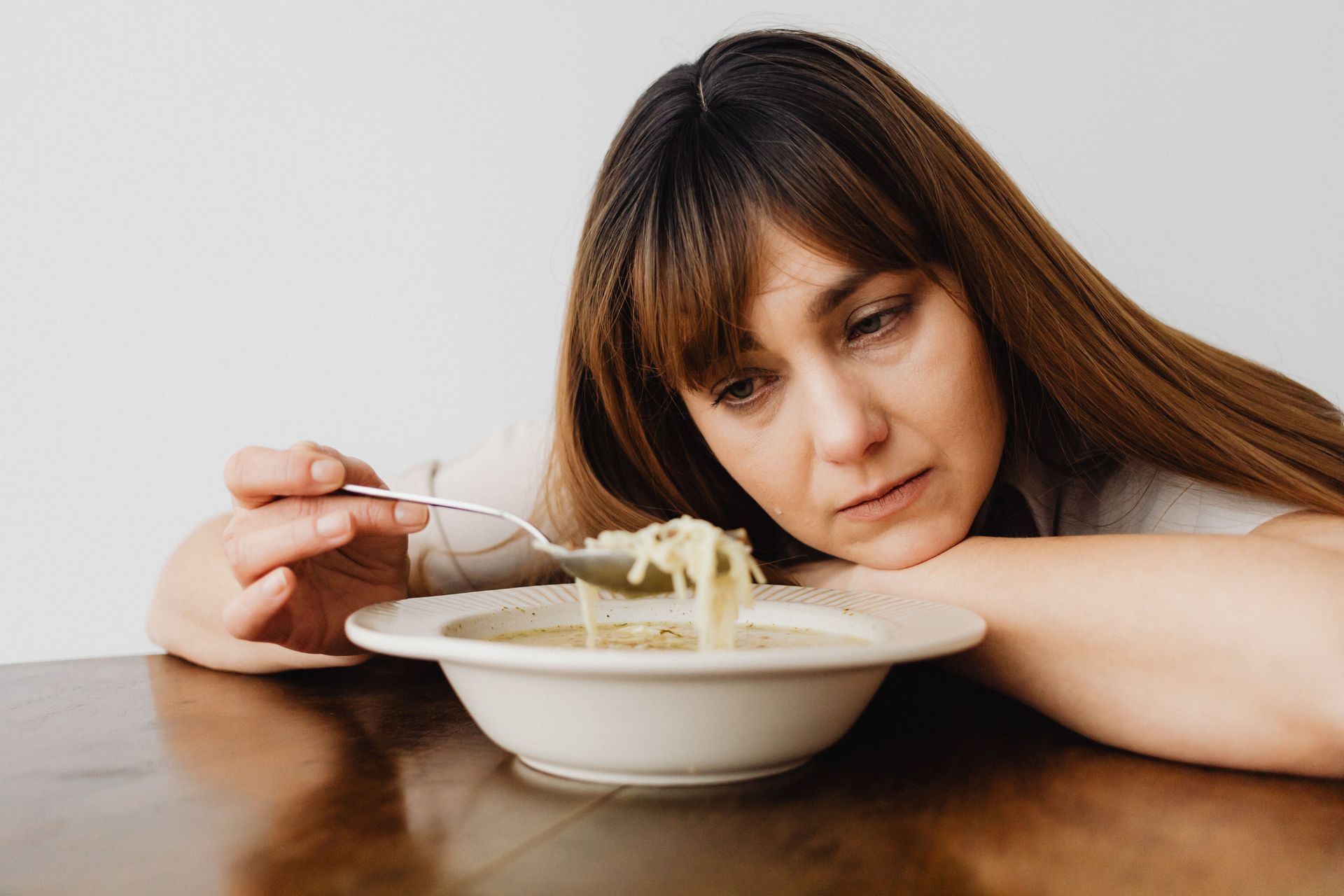
Fatigue, disrupted sleep, changes in appetite, gastrointestinal symptoms, headaches, and muscle tension are common. These symptoms may be influenced by hormonal shifts and prolonged stress

Common emotional responses after miscarriage
Your emotional responses are shaped by your experiences, your body, and your environment.
Guilt and self-blame
Many women experience a need to assign responsibility to themselves or their bodies. This often reflects a need to regain control after something that felt deeply uncontrollable.
Some women come to recognize patterns of punishing the body through self-harm, disordered eating, or harsh self-criticism. These behaviors are more common after miscarriage than many realize and are often driven by shame and confusion rather than intent.
Anger or emotional numbness
Anger toward the body, healthcare systems, or others can coexist with numbness or emotional shutdown. These responses can function as temporary protection when emotions feel overwhelming.
Anxiety about future pregnancies
Fear related to future pregnancies is common and may persist even after healthy pregnancies. Anxiety may include hypervigilance, catastrophic thinking, or difficulty trusting positive outcomes.
Approaches to coping with depression after miscarriage
Support focuses on understanding, stabilization, and reducing the factors that maintain distress.
Acknowledging the loss
When miscarriage is minimized or silenced, emotional processing can become stuck. Naming the loss and recognizing its impact helps integrate the experience rather than carrying it alone.
Communication and support
Writing, journaling, poetry, or speaking openly with trusted people can help externalize thoughts that otherwise remain internal and overwhelming. Even when sharing feels difficult, many women find relief in no longer holding everything privately.
Professional support
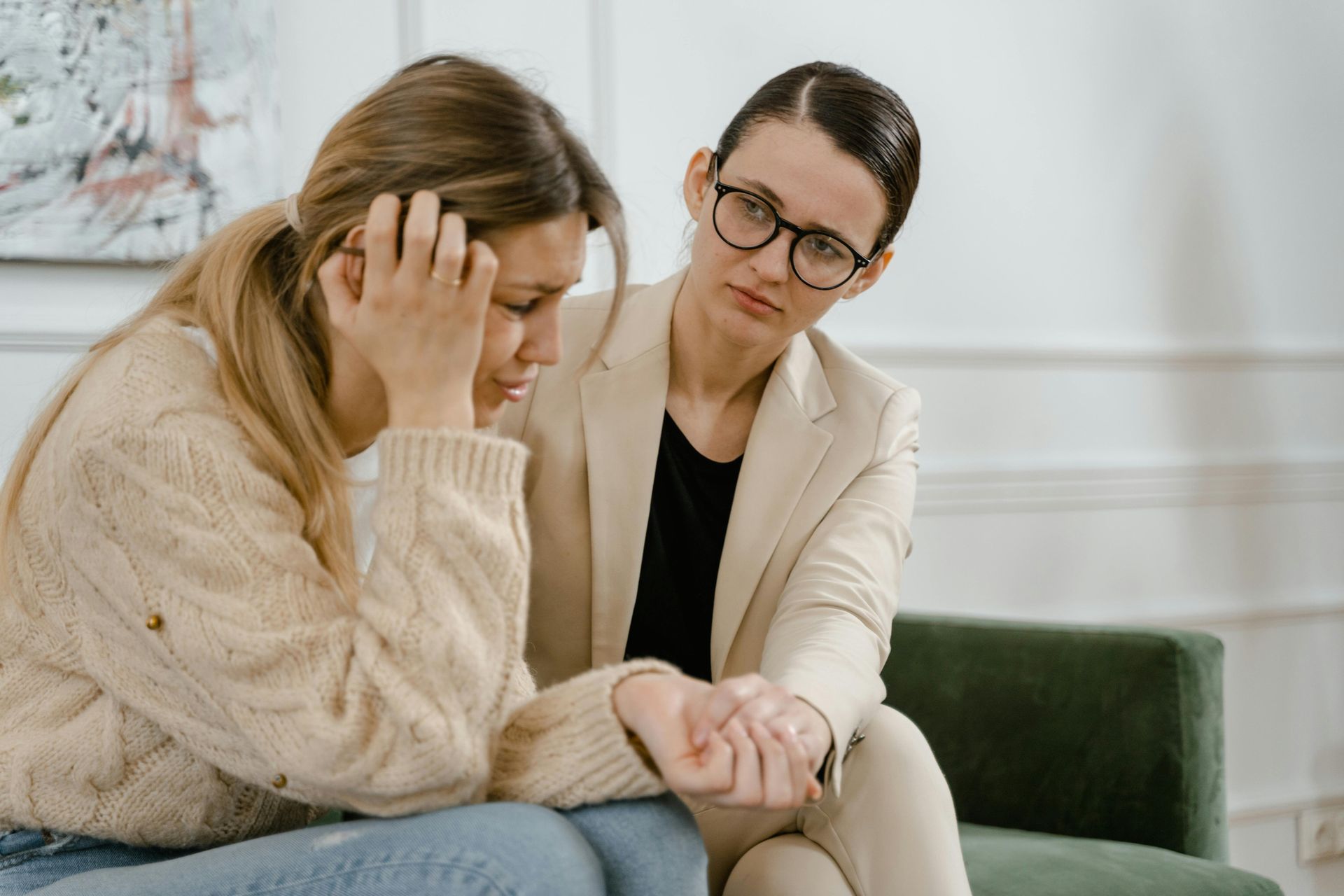
When symptoms persist, professional care can be essential. Counseling for miscarriage loss addresses depression, anxiety, trauma responses, and self-harming behaviors within a structured and non-judgmental framework.
Support through postpartum depression therapy offers care specifically informed by pregnancy-related mental health experiences.
Reducing self-directed pressure
Many women struggle to ask for help and feel ashamed of their ongoing distress. Allowing yourself to receive support, even imperfectly, can reduce isolation and internalized blame.
When to seek help
You do not need to reach a crisis point to deserve support.
Duration and impact on daily life
If symptoms persist for weeks or months and affect your functioning, confidence, or safety, professional evaluation is recommended.
Indicators requiring immediate attention
Thoughts of self-harm, ongoing panic, or behaviors that feel out of control should be addressed promptly with professional support.
Accessing support in the United States
Postpartum Support International and the 988 Lifeline provide immediate assistance. Ongoing care may include therapy, peer support, or specialized services.
Supporting a partner after miscarriage
You and your partner may grieve differently. Differences in expression and coping can affect closeness and communication.
Shared understanding and communication
Open conversations about needs, limits, and emotional experiences can support mutual understanding during recovery.
Resources and ongoing support
Individual therapy, peer support groups, and integrative services can reduce isolation and long-term impact. Holistic therapy for moms offers care that addresses emotional, physiological, and relational dimensions of recovery. Depression after miscarriage can change how you see yourself, your body, and your future. These changes are not a failure of strength. They are a response to loss that deserves care. Support with a therapist in Denver can help you navigate this experience without carrying it alone.

Hello! I’m Stephanie Poole
Licensed clinical social worker and board-certified health and wellness coach.
I support overwhelmed moms in reconnecting to their inner strengths and healing emotional struggles that arise in the postpartum period.