
Holistic Therapy for Moms in Denver, CO
Empowering mothers to build resilience, discover her strengths, and define motherhood on her own terms
So she can show up as the mother she chooses to be, not the one she feels pressured to become
Motherhood has transformed you in beautiful ways, but also in ways you didn’t expect.
You love your baby fiercely, and yet, somewhere along the way, you feel like you've lost pieces of yourself.
You wake up already feeling overwhelmed, bracing yourself for another day of giving and giving, with little space to breathe, let alone recharge.
You feel guilty for wanting time for yourself, and even guiltier when you try to take it.
You wonder if you’re "doing it wrong" because no one told you how isolating, heavy, and confusing this “new mom” season can feel.
You’re managing nap schedules, work meetings, appointments, and emotional needs, but your own needs keep getting buried deeper.
And you want to pretend you’re OK or grateful for this new little person in your life, but deep down, you really miss who you were, and you’re so scared of who you
“have” to become now.
Motherhood has transformed you in beautiful ways, but also in ways you didn’t expect.
You love your baby fiercely, and yet, somewhere along the way, you feel like you've lost pieces of yourself.
You wake up already feeling overwhelmed, bracing yourself for another day of giving and giving, with little space to breathe, let alone recharge.
You feel guilty for wanting time for yourself, and even guiltier when you try to take it.
You wonder if you’re "doing it wrong" because no one told you how isolating, heavy, and confusing this “new mom” season can feel.
You’re managing nap schedules, work meetings, appointments, and emotional needs, but your own needs keep getting buried deeper.
And you want to pretend you’re OK or grateful for this new little person in your life, but deep down, you really miss who you were, and you’re so scared of who you
“have” to become now.
You’re carrying the emotional load of your new family while still showing up with a smile. That’s more than resilience, that’s true strength. But no one sees the full weight of what it feels like on the inside.
You want to feel whole again strong in your postpartum body, clear in your overwhelmed mind, connected to something more than the next diaper change. But right now, you’re buried under the invisible load no one prepared you for.
You’ve heard the advice from everyone to slow down and enjoy the moment but no one truly understands that you really miss being you, and being free.
You’re holding the feedings, the healing, the emotions no one warned you about, and part of you believes that slowing down means letting your baby, your partner, or yourself down.
Exhale Sister, this ends today
You are moving through one of the biggest transformations of your life, and as heavy as it is right now, it doesn’t have to stay this way.
With the right support, you can feel whole again. You can rebuild your strength, reclaim your sense of self, and create a motherhood journey that nurtures
you too.
Emotionally
We’ll untangle the guilt, identity loss, and invisible pressures of early motherhood.
Physically
We’ll reconnect you to your postpartum body to honor its signals, restore nervous system balance, and support sustainable energy and healing.
Spiritually
We’ll explore what grounds and centers you now so you can mother from alignment, not expectation.
I help strong, resilient women like you rebuild from the inside out.
Okay, so...
Here is how I can help you
A personalized, holistic, therapeutic approach designed to help you navigate the emotional shifts of motherhood, build confidence, and step into a stronger, more grounded version of yourself.
Perinatal mental health counseling
A personalized coaching experience to help you manage and reduce stress, re-energize your mind and body, and gain clear direction for this new chapter of your life. Together, we’ll move you out of survival mode and into a life that feels aligned, empowered, and sustainable.
Integrative coaching for moms
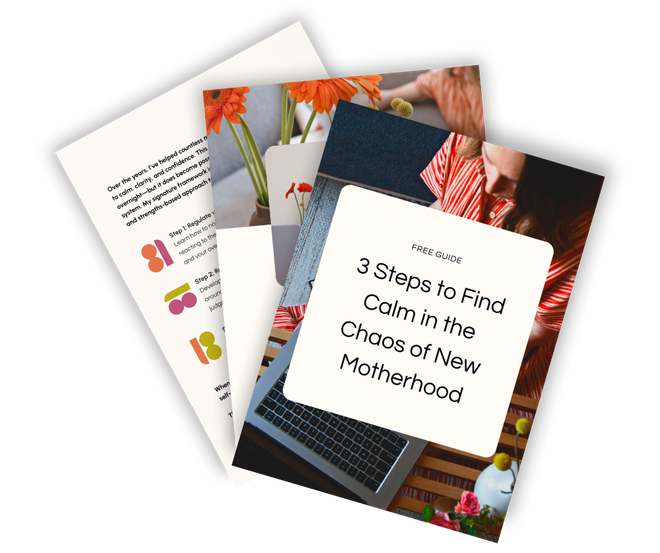
Struggling to stay calm when your new motherhood right now feels chaotic?
3 Steps to Find Calm in the Chaos of New Motherhood
Learn how to create small, manageable moments of peace in your day—even when life feels overwhelming as you ease into postpartum and early motherhood.
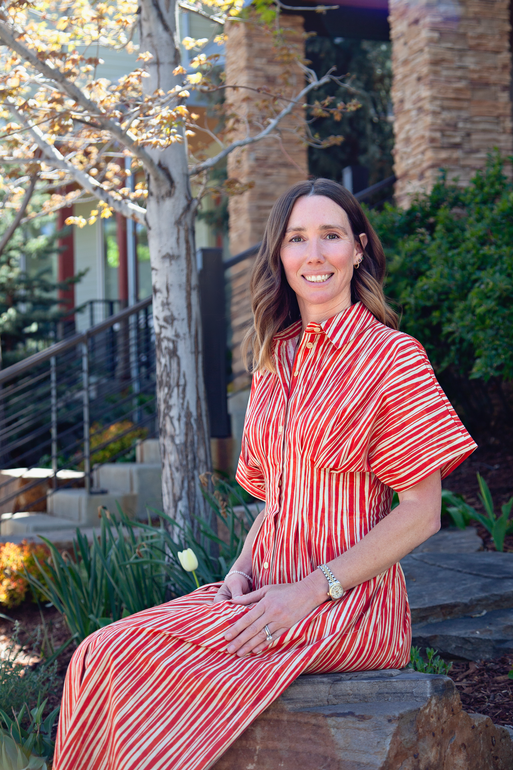
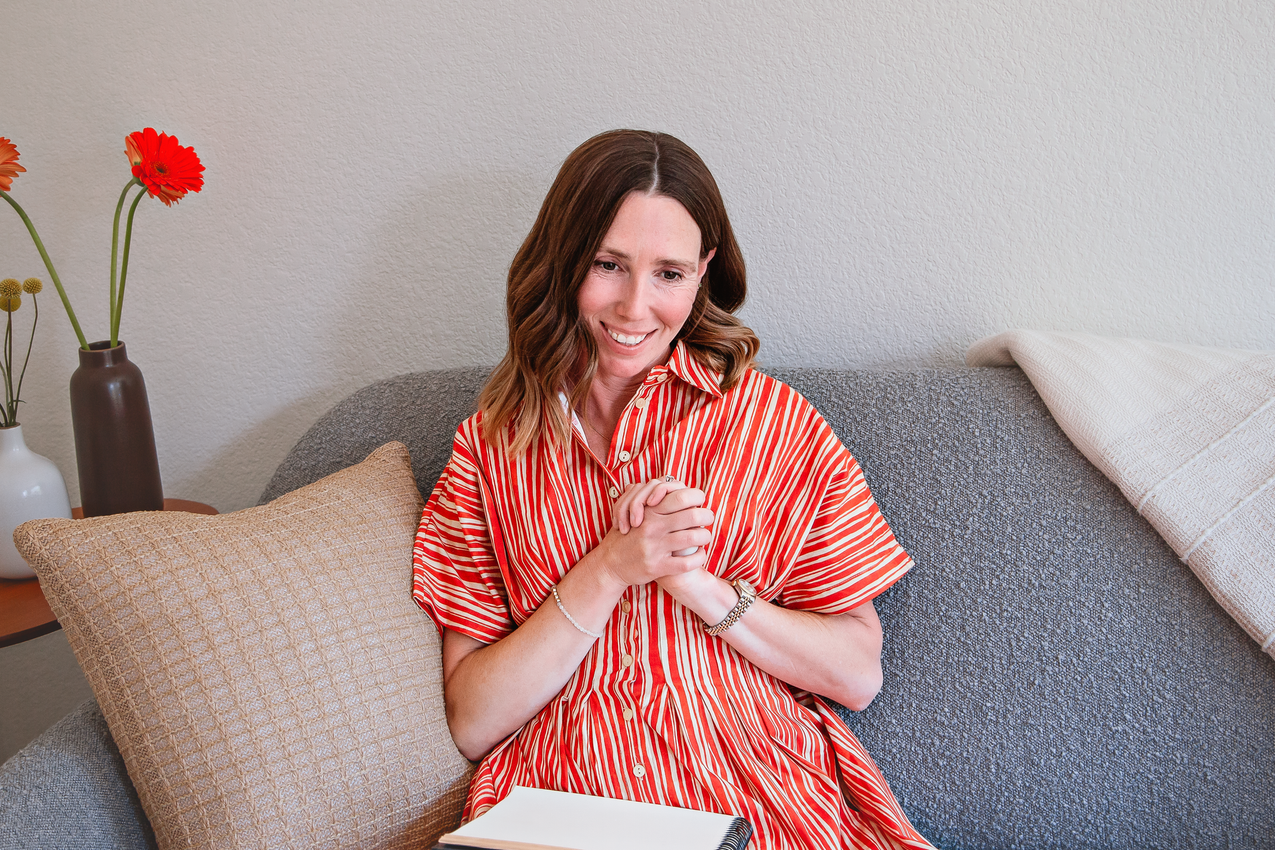
Hi, I’m Stephanie Poole
Licensed clinical social worker and board certified health and wellness coach.
I support overwhelmed moms in reconnecting to their inner strengths and heal emotional struggles that arise in the postpartum period. As a mother, I know that women are often expected to navigate this deeply emotional transformation alone- but with the right tools and support you can cultivate a sense of empowerment and experience motherhood with confidence.
Stories from the Sisterhood
"I started working with Stephanie at the darkest time of my life. My son was not yet two years old and I was being crushed by the weight of my anxiety and panic, especially at night. I’d always lived with anxiety but it became unmanageable after the birth of my baby. Defeated and feeling like medication was my only option, I decided to take a chance and look for a therapist. Stephanie helped me understand the root of my anxiety and how to implement strategies to cultivate peace within myself but she also taught me how to sit with my anxiety and experience it in a way that felt more manageable to me. I always felt that she genuinely cared for me and was there to answer a text or phone call if I was feeling stuck or afraid (even in the middle of the night!) Stephanie is an amazing therapist but first and foremost an amazing human being. My only regret is that I wish I had found her sooner!"
"Stephanie is very down to earth and authentic. Her approach is simple, yet impactful. As a mom of two under two I was struggling to manage my stress levels and always burned out, finding little to no joy or contentment in my life. I felt like I was failing in every aspect of my life. Stephanie had a way of drawing out my strengths and helped me to grow in ways I could have never imagined. Our work together was meaningful and insightful and I’m so grateful to have met her."
"I loved and appreciated Stephanie’s approach to therapy. She is the right balance of compassionate and empathetic but also direct. Working with Stephanie showed me that there wasn’t anything “wrong” with me. She was committed to supporting me in finding realistic, personalized solutions. I wholeheartedly recommend inviting Stephanie to walk beside you on your healing journey. "
You deserve to feel supported, seen, and grounded in who you are both as a mother and as a whole person.
Let's begin your journey back to yourself, together
You don’t have to keep holding it all together on your own. Let’s rebuild a life where you feel empowered, resilient, and fully yourself, starting now.
On the blog
Lorem ipsum dolor sit amet, consectetur adipiscing elit, sed do eiusmod tempor incididunt. Lorem ipsum dolor sit amet, consectetur adipiscing elit, sed.