10 signs of postpartum depression you shouldn’t ignore

Stephanie Poole • April 9, 2026

Becoming a mom brings profound physical and emotional changes. While mood shifts and exhaustion are common after birth, some experiences go beyond normal adjustment. Recognizing the signs of postpartum depression can help you understand what you are feeling and know when support may be helpful.


This article is not meant to diagnose. Its purpose is to help you name what you may be experiencing and remind you that you are not alone.


I am Stephanie Poole, founder of Sitting in Sisterhood. I work with moms navigating pregnancy, postpartum adjustment, and maternal mental health, using a holistic and clinically grounded therapeutic approach that centers on emotional regulation, identity shifts, and nervous system recovery. If you would like to understand the philosophy behind this work, you can explore holistic therapy for moms. If you are currently struggling with postpartum depression symptoms and want focused, compassionate support, you can also learn more about postpartum depression therapy and how care can support healing.


Why recognizing the signs matters


Postpartum depression, often called PPD, affects roughly one in seven mothers in the United States. Many moms struggle silently because they assume what they are feeling is normal or that they should be able to manage on their own.


Early recognition of postpartum depression symptoms can shorten recovery time and reduce emotional strain. Understanding these signs also helps loved ones know when to encourage support and meaningful conversations.


Recognizing signs is not about labeling. It is about awareness and care.


When does postpartum depression start, and how long does it last?


Postpartum depression does not always appear right after birth. For some mothers, symptoms begin within the first two to six weeks postpartum. For others, they may develop months later, sometimes after breastfeeding ends, when hormonal changes, exhaustion, and emotional overwhelm begin to surface more clearly.


While it is often discussed as an early postpartum concern, research shows that postpartum depression can begin anytime within the first year after delivery. This wide window means that even if you felt emotionally stable at the beginning, symptoms can still emerge as daily pressures build and initial support fades.


The 10 signs of postpartum depression


1. Persistent sadness or hopelessness


Feeling down most of the day for weeks or months at a time. This sadness does not lift with rest, reassurance, or support. It feels heavier and more constant than temporary emotional dips after birth.


2. Loss of interest in things you used to enjoy


Activities, relationships, or moments that once brought joy now feel flat or meaningless. Some moms describe feeling emotionally disconnected or numb, even in situations where they expected happiness.


3. Constant fatigue and low energy


This is not just sleep deprivation. It is a deep, lingering exhaustion that does not improve even after rest. Your body feels heavy, and motivation feels out of reach.


4. Trouble bonding with your baby


Feeling emotionally distant, detached, or guilty about not feeling the connection you expected. This experience is more common than many moms realize and does not mean you do not love your baby.


5. Intense irritability or anger


Feeling on edge, snapping easily, or experiencing sudden frustration that feels unfamiliar. Anger may be directed inward through self-blame or outward toward others.

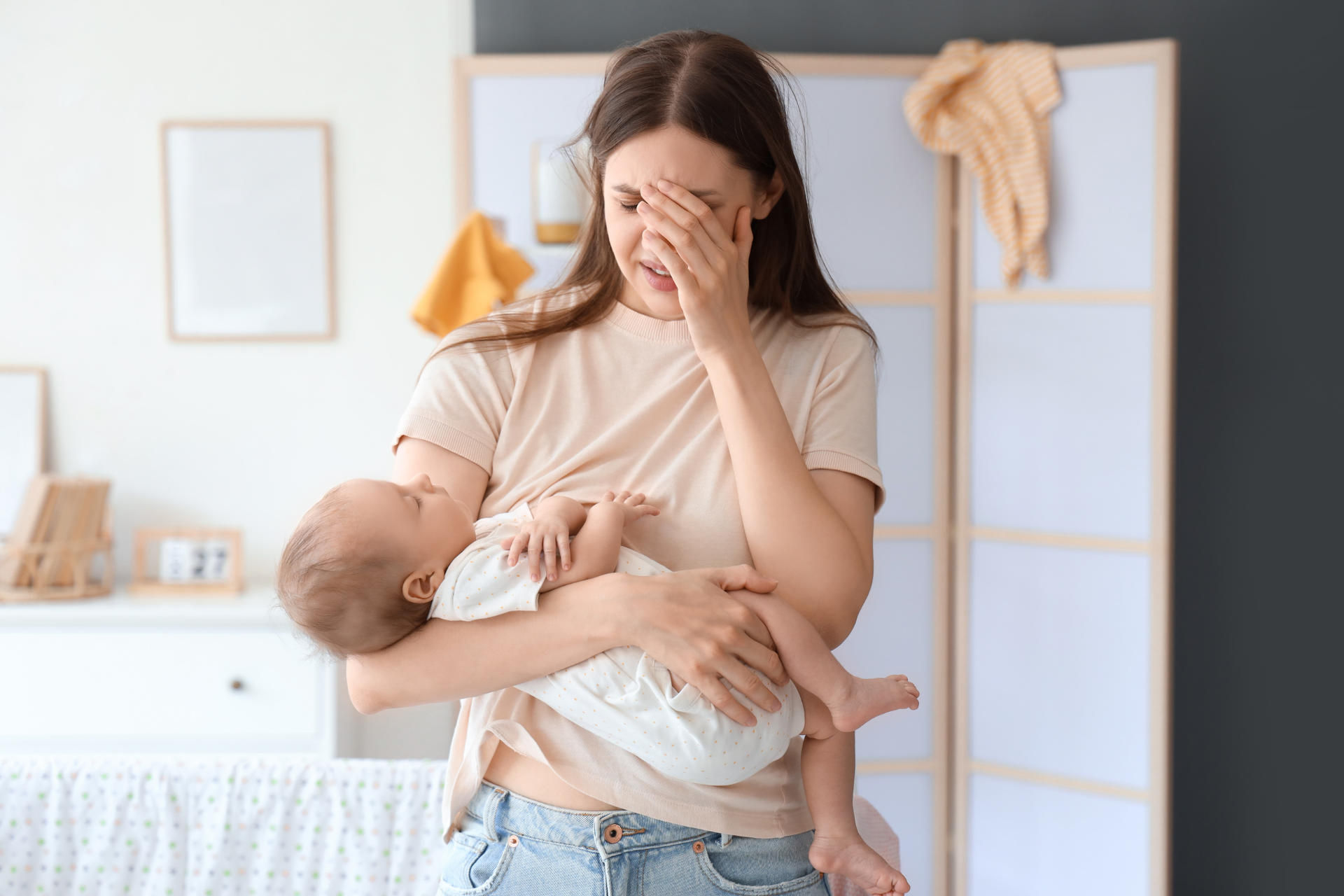

signs of postpartum depression

6. Anxiety or racing thoughts


Constant worry about your baby’s safety, your ability as a mom, or imagined worst-case scenarios. These thoughts can feel intrusive and exhausting, and often overlap with postpartum anxiety.


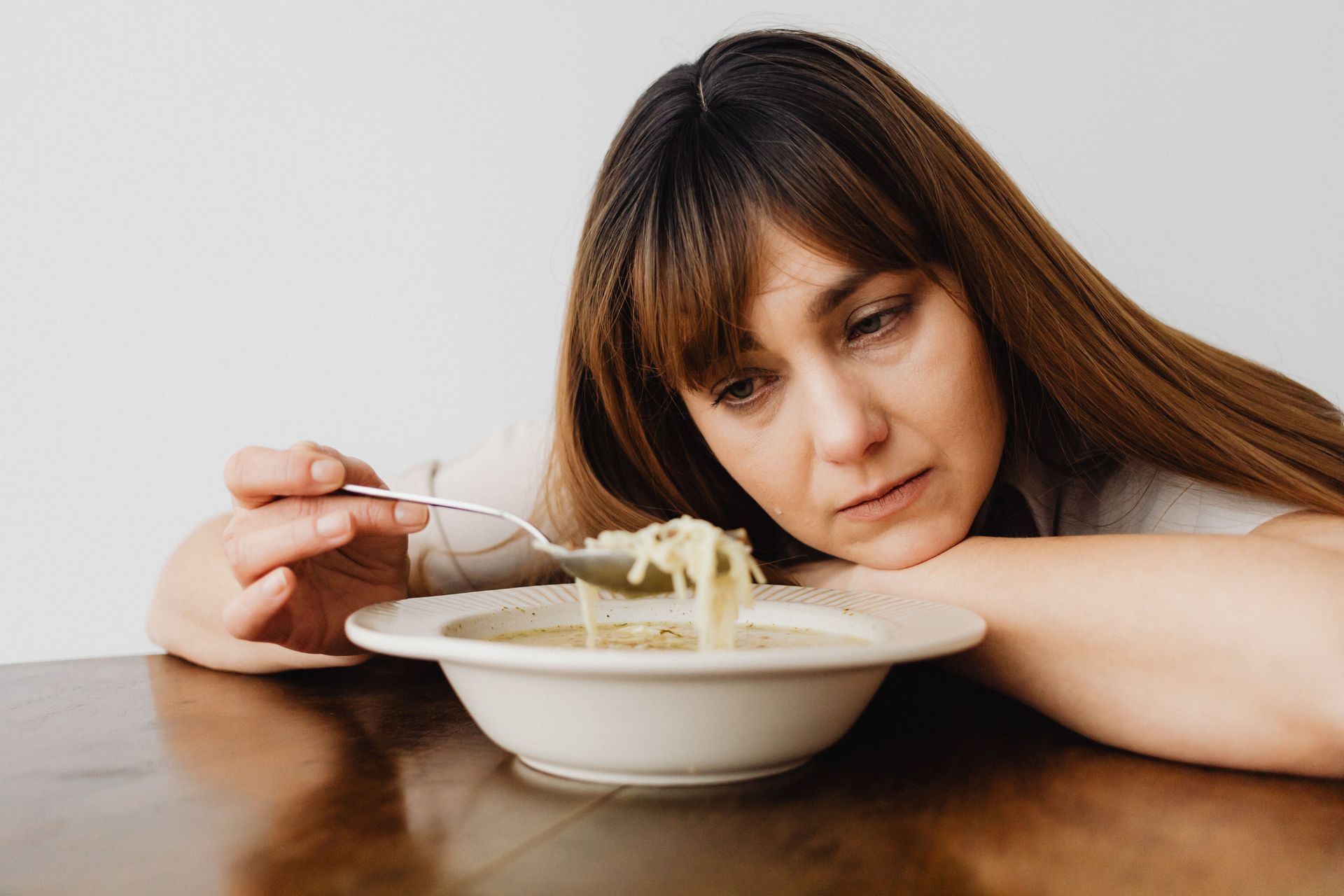
7. Changes in appetite or sleep


Sleeping too much or struggling with insomnia even when your baby is sleeping. Eating far less or far more than usual without clear intention.


8. Feeling overwhelmed or inadequate


A persistent sense that you cannot handle daily demands no matter how hard you try. Thoughts like feeling like a failure or believing others are doing better are common with postpartum depression.


9. Physical aches and emotional numbness


Headaches, muscle tension, or unexplained physical discomfort are connected to emotional distress. Some moms notice that depression shows up more in their bodies than in their emotions.


10. Thoughts of self-harm or wanting to escape


Thoughts about disappearing, feeling like your family would be better off without you, or wishing you could escape everything. These thoughts are always a sign that immediate support is needed.


U.S. helplines and resources


If you or someone you love needs immediate support, these resources are available:

You can contact Postpartum Support International at 1-800-944-4773 for postpartum mental health support and referrals.


You can call or text the 988 Suicide and Crisis Lifeline, available 24 hours a day in the United States.

You can also reach the SAMHSA National Helpline at 1 800 662 HELP (4357) for mental health and substance use support.


When to reach out for support


If several of these signs last more than two weeks or begin to interfere with daily life, it may be time to talk to a healthcare provider or therapist.


Many moms find it helpful to speak with someone who specializes in postpartum mental health. If you are looking for dedicated, compassionate support, therapy in Denver offers a space to process what you are experiencing and begin healing.


Postpartum depression is not a personal weakness. It is a medical and emotional condition that deserves care.


Hello! I’m Stephanie Poole

Licensed clinical social worker and board-certified health and wellness coach. 

I support overwhelmed moms in reconnecting to their inner strengths and healing emotional struggles that arise in the postpartum period.

How to deal with infertility
By Stephanie Poole March 12, 2026
How to deal with infertility when pregnancy follows treatment, but postpartum feels harder than expected. Learn why infertility can increase the risk of postpartum depression.
postpartum depression treatment
By Stephanie Poole February 27, 2026
Postpartum depression treatment in Denver for moms. Recognize postpartum depression symptoms, and find therapy and support to begin healing after birth.
Maternal mental health resources
By Stephanie Poole February 27, 2026
A compassionate guide to maternal mental health resources for new moms. Learn where to find emotional support, postpartum anxiety help, and trusted community resources in the U.S.
Postpartum eating disorders
By Stephanie Poole February 24, 2026
Learn about postpartum eating disorders, the emotional and physical signs, and how to find support to heal your relationship with food after giving birth.
By Stephanie Poole February 24, 2026
After a miscarriage, you may notice changes that are difficult to explain to others. Emotional pain can continue even after your body has recovered. Concentration may feel harder. Motivation may drop. A sense of distance from daily life can slowly appear, even if nothing around you seems to justify it. Depression after miscarriage often develops quietly. It does not always arrive as constant sadness. For many women, it shows up as anxiety, panic, loss of confidence, or a feeling that something essential inside has been altered. You may still function, care for others, and meet expectations while feeling internally depleted or disconnected from yourself. If you are new here, I am Stephanie Poole, founder of Sitting in Sisterhood, and I support women through a holistic, clinically grounded therapeutic approach. If you want to understand who we are and what guides our work, you can explore holistic therapy for moms in Denver . If this topic feels particularly close to you, you can also learn more about our work in postpartum depression therapy . Understanding depression after miscarriage A miscarriage is often treated as a brief medical event. Emotionally, it is rarely brief. What you experience afterward is shaped by grief, hormonal changes, physical recovery, and the sudden interruption of an imagined future. Research shows that pregnancy loss is associated with a significantly increased risk of depression and anxiety, even months or years later. This risk exists regardless of whether you have experienced mental health difficulties before. Depression after miscarriage does not always begin after the first loss. For some women, emotional distress intensifies after subsequent miscarriages, or after a later pregnancy, when earlier losses resurface in unexpected ways. Why is emotional distress common after a miscarriage? Your body goes through rapid physiological changes after a pregnancy loss. At the same time, the emotional meaning of what happened is often underestimated or minimized. You may feel pressure to feel grateful, relieved, or ready to move on. Many women describe feeling betrayed by their bodies, confused by their reactions, or unprepared for how deeply the loss would affect their sense of self. When these experiences are not acknowledged, distress can deepen rather than resolve. Distinguishing grief from depressive symptoms You may find yourself questioning whether what you are experiencing is grief, depression, or something else entirely. This uncertainty is common and understandable. Grief after miscarriage is often centered on what was lost. You may feel yearning, sadness, or pain linked to memories, expectations, or imagined futures. Even in deep grief, many women notice that their sense of identity remains largely intact, even if shaken. Depressive symptoms tend to affect how you experience yourself. You may notice a loss of confidence, a persistent sense of emptiness, or the feeling that you are no longer capable or trustworthy. Thoughts may become self-critical or pessimistic, focusing less on the loss itself and more on perceived personal failure or inadequacy. For many women, grief and depression overlap. Sleep disruption, appetite changes, rumination, panic, and intense sadness can be present in both. Time alone does not reliably distinguish one from the other. What matters most is how these symptoms affect your functioning, your relationships, and your relationship with yourself. Is depression after miscarriage the same as postpartum depression? Although both experiences involve deep emotional pain, depression after miscarriage and postpartum depression are not the same, yet they can share overlapping symptoms. Postpartum depression typically occurs after a live birth, when hormonal, physical, and emotional changes combine with the challenges of early motherhood. It often involves feelings of sadness, anxiety, or disconnection from the baby or one’s identity as a mother. Depression after miscarriage, on the other hand, arises after the loss of a pregnancy. It is shaped not only by hormonal shifts, but also by grief and the abrupt end of a future that was imagined but never lived. Many women describe feeling as though they’re mourning both the baby and the version of themselves that existed before the loss. These experiences can coexist. A woman who has experienced a miscarriage may later develop postpartum depression after a subsequent birth. For others, the emotional residue of pregnancy loss may resurface months or even years later. How depression can develop over multiple losses Some women cope relatively well after an initial miscarriage and are surprised when later losses affect them much more deeply. This pattern is common. Women have described feeling that with each subsequent miscarriage, something additional was lost. Not only pregnancies, but also confidence, trust in the body, and belief in their ability to cope. For some, medical complications during miscarriage, such as surgery, infections, or emergency care, also contribute to trauma responses, including panic attacks, flashbacks, and avoidance of medical settings. Depression after miscarriage may include anxiety around doctors or hospitals, difficulty returning to work, changes in eating behaviors, or self-harming behaviors that feel confusing or shameful. These responses are not uncommon and often reflect attempts to manage overwhelming emotional states rather than conscious self-punishment. Many women describe realizing much later how significantly their mental health had been affected. It is not unusual for distress to persist quietly for years before being recognized or supported. Emotional and physical signs to look for Depression after miscarriage can affect emotional, cognitive, and physical systems. These signs often develop gradually. Emotional symptoms You may notice persistent sadness, anxiety, panic attacks, emotional withdrawal, irritability, or a loss of confidence. Feelings of guilt and sadness after a miscarriage can become repetitive, intrusive thoughts that are difficult to interrupt. Some women describe feeling as though they lost a part of themselves along with the pregnancy, or that their self-esteem has fundamentally changed. Physical symptoms Fatigue, disrupted sleep, changes in appetite, gastrointestinal symptoms, headaches, and muscle tension are common. These symptoms may be influenced by hormonal shifts and prolonged stress
dealing with pregnancy anxiety
By Stephanie Poole January 26, 2026
Pregnancy anxiety is real and common. Learn what causes it and discover 5 holistic strategies to calm your mind before birth and enjoy this season.